
 By official.braflix@gmail.com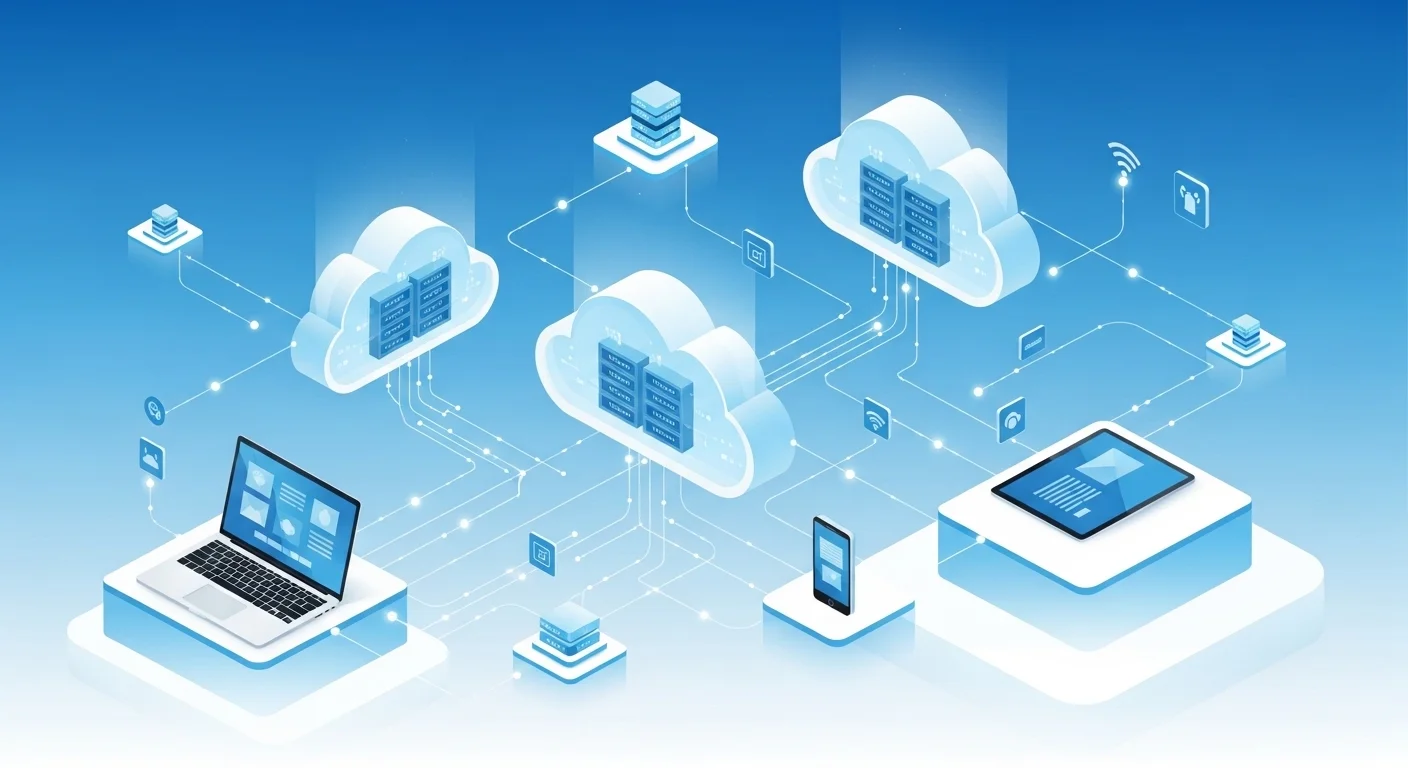
Introduction
Cloud computing is one of the most important technologies shaping the modern digital world. It allows people and businesses to store data, run applications, and manage systems using the internet instead of physical devices. Droven.io is an educational platform that explains such complex technologies in a simple and easy-to-understand way, making it useful for beginners who want to learn about cloud computing, artificial intelligence, and modern IT systems.
The Droven.io cloud computing guide focuses on breaking down advanced concepts into simple explanations. Instead of using technical language, it teaches how cloud systems work in real life and how businesses benefit from them. It also connects cloud computing with modern technologies like AI, automation, and digital transformation, helping learners understand the bigger picture of today’s technology ecosystem.
What is Cloud Computing?
Cloud computing is the delivery of computing services such as storage, servers, databases, networking, and software over the internet. Instead of depending on local computers or physical hardware, users can access these services remotely from anywhere in the world. This makes cloud computing a flexible and powerful solution for both individuals and organizations.
In simple terms, cloud computing works like renting a computer system online. You do not need to own expensive machines or worry about maintenance because everything is managed by cloud service providers. You only use and pay for the resources you need, which makes it cost-efficient and scalable for different types of users.
Core Concept of Cloud Computing in Droven.io Style
Droven.io explains cloud computing using three simple ideas that make it easy for beginners to understand. First is remote access, which means users can access files and applications from any location using the internet. Second is shared resources, where multiple users use powerful computing systems at the same time. Third is on-demand service, which allows users to increase or decrease resources based on their needs.
These three concepts show how cloud computing removes the need for physical infrastructure. Instead of installing software or buying servers, everything is available online. This makes cloud computing one of the most flexible technologies in the modern digital era, especially for businesses that need fast and reliable systems.
Types of Cloud Computing Models
Cloud computing is divided into different models based on how services are delivered and managed. The most common type is the public cloud, where services are provided by third-party companies and shared among many users. It is cost-effective and widely used for general applications like email, storage, and web hosting.
Another type is the private cloud, which is used by a single organization and provides more control and security. Large companies prefer this model for sensitive data and critical operations. The hybrid cloud combines both public and private systems, allowing businesses to use flexibility and security together. There is also multi-cloud, where companies use services from multiple providers to avoid dependency and improve performance.
Key Components of Cloud Computing
Cloud computing is built on several important components that work together to deliver services. The first component is servers, which are powerful machines located in data centers that store and process data. These servers handle millions of requests every second from users around the world.
Another important component is storage, which allows users to save files, documents, and applications online. Networking connects users to cloud systems through the internet, ensuring smooth communication between devices and servers. Virtualization is also a key concept, where multiple virtual systems run on a single physical machine, improving efficiency and reducing costs.
How Cloud Computing Works
Cloud computing works through a simple process that happens very quickly. When a user sends a request, such as opening an app or accessing a file, the request travels through the internet to a cloud server. The server processes the request, retrieves or stores the required data, and sends the result back to the user.
This entire process happens within seconds, making cloud computing fast and efficient. The reason behind this speed is the powerful infrastructure of data centers that are designed to handle large amounts of data and traffic. This system allows users to enjoy seamless access to applications and services without worrying about technical complexity.
AI and Cloud Integration
Artificial intelligence and cloud computing work closely together in modern technology. AI systems require large amounts of data and powerful computing resources, which cloud platforms provide. This combination allows AI applications to run smoothly without needing expensive hardware on individual devices.
For example, chatbots, recommendation systems, and data analysis tools all depend on cloud computing. Businesses use cloud-based AI systems to improve decision-making, automate tasks, and analyze customer behavior. This integration is one of the main reasons why cloud computing is becoming more important in the digital world.
Edge Computing and Its Importance
Edge computing is an advanced concept related to cloud computing where data is processed closer to the source instead of sending it to distant servers. This reduces delay and improves response time, which is important for real-time applications like smart devices and autonomous systems.
This technology is widely used in areas such as IoT devices, smart cities, and self-driving systems. By processing data locally, edge computing reduces internet load and increases efficiency. It works alongside cloud computing to create faster and more reliable digital systems.
Advantages of Cloud Computing
Cloud computing offers many advantages that make it essential for modern businesses and users. One of the biggest benefits is cost efficiency because users do not need to invest in expensive hardware or maintenance. Everything is available on a pay-as-you-go basis, which reduces financial pressure.
Another major advantage is scalability, which allows businesses to increase or decrease resources based on demand. Cloud computing also provides accessibility, meaning users can access their data from anywhere in the world. It ensures reliability through backup systems and automatic updates that keep everything running smoothly.
Challenges of Cloud Computing
Despite its benefits, cloud computing also has some challenges that users should understand. One of the main issues is internet dependency because cloud services cannot work without a stable internet connection. If the connection is weak, performance may be affected.
Another challenge is security risk, even though cloud providers use strong protection systems. Data breaches and cyber threats can still occur in some cases. Cost management is also important because improper usage can lead to high expenses. Additionally, occasional downtime may happen due to server maintenance or technical issues.
Real-World Applications of Cloud Computing
Cloud computing is used in almost every industry today. In business, it is used for managing operations, customer data, and communication systems. Companies rely on cloud platforms to improve efficiency and reduce costs.
In entertainment, streaming services use cloud computing to deliver videos and music to millions of users. Mobile apps also depend on cloud storage for saving user data and backups. The gaming industry uses cloud servers for multiplayer experiences, while AI systems use cloud infrastructure for training and deployment.
Future of Cloud Computing
The future of cloud computing is expected to be even more advanced and powerful. One major trend is the increasing use of AI automation, where cloud systems manage tasks without human intervention. Serverless computing will also grow, allowing developers to focus on coding without managing infrastructure.
Edge computing will become more common, improving speed and performance in real-time systems. Green cloud technology will also rise, focusing on reducing environmental impact. Overall, cloud computing will continue to evolve and remain the foundation of digital transformation in the future.
Conclusion
Droven.io cloud computing guide provides a simple and effective way to understand complex cloud technologies. It explains how cloud systems work, their types, advantages, challenges, and real-world applications in a clear and structured manner.
Cloud computing is not just a technology but a foundation of the modern digital world. It powers businesses, applications, AI systems, and online services that people use every day. Learning about cloud computing helps individuals stay updated with modern technology and prepares them for future opportunities in the digital industry.
FAQs
1. What is Droven.io cloud computing guide?
It is an educational explanation of cloud computing concepts designed to help beginners understand how cloud systems work in simple language.
2. Is cloud computing easy to learn?
Yes, cloud computing is easy to learn if explained properly. Platforms like Droven.io simplify it by breaking down complex ideas into simple concepts.
3. What are the main types of cloud computing?
The main types are public cloud, private cloud, hybrid cloud, and multi-cloud systems, each serving different business needs.
4. Why is cloud computing important?
Cloud computing is important because it reduces cost, improves flexibility, and allows access to data and applications from anywhere in the world.
5. What is the future of cloud computing?
The future includes AI-powered cloud systems, edge computing, serverless architecture, and more secure and sustainable digital infrastructure.